
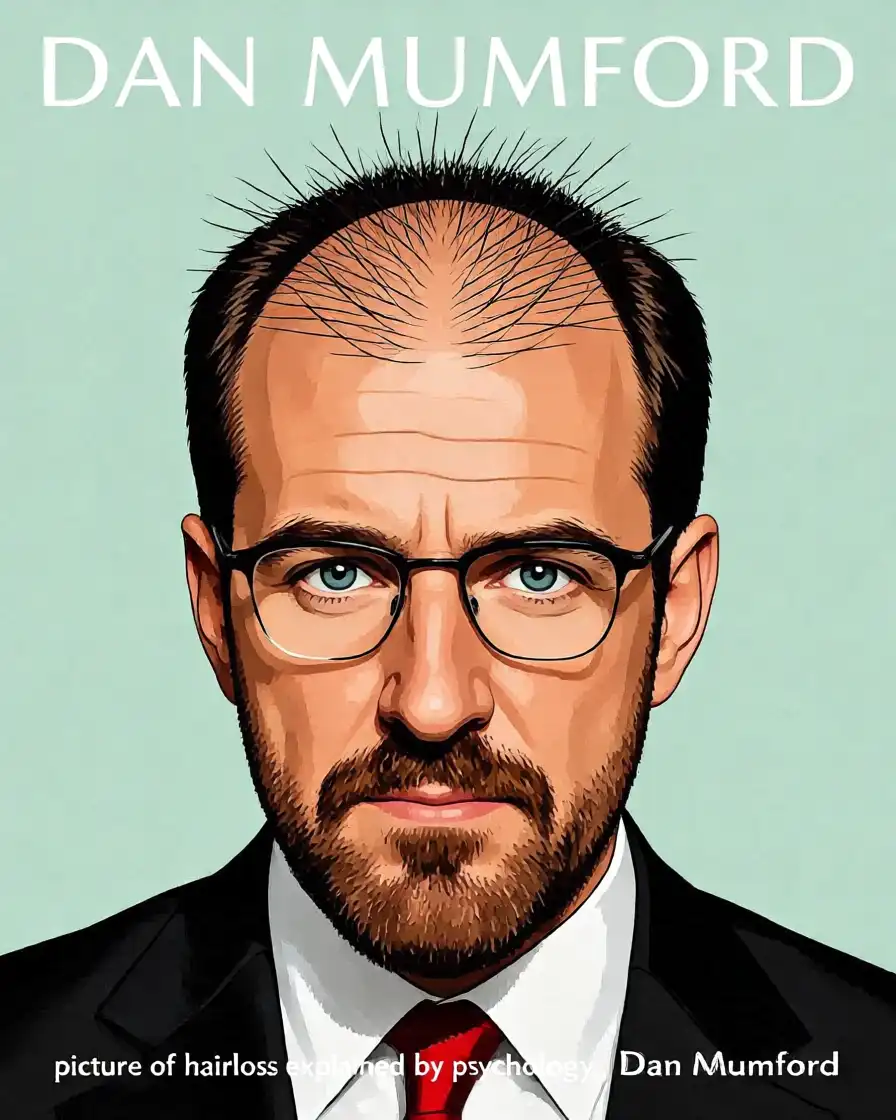
Hair loss seems like a small thing from the outside. But when it happens to you, it feels very personal. Many people are surprised by how much it affects their confidence, mood, and daily life. The truth is simple: losing hair touches the mind as much as it touches the body.
We often talk about hair as if it’s just a style choice. But it’s actually tied to identity, age, pride, and how we see ourselves. That’s why even a little change can create a big emotional shift.
Hair loss and the Mind: A Quiet Emotional Battle
When someone starts noticing more strands on the pillow or in the drain, the brain reacts fast. It feels like a loss of control. In psychology, appearance plays a huge role in how we build our self-image. So when hair starts to thin or fall, it can feel like a piece of ourselves is slipping away.
Even when people try to act strong, the emotional weight can be heavy. Many feel embarrassed, sad, or confused. And most never talk about it openly.
When Stress Triggers Hair Change
Stress doesn’t just affect the mind. It affects the body too. For some people, pressure or emotional tension can trigger a condition where a large number of hairs enter a shedding phase. This often comes as a shock because it looks sudden.
One stressful month can sometimes lead to three months of hair fall. And when hair loss increases, stress increases with it. It becomes a loop that’s hard to break.
Understanding this connection helps people feel less alone. It also shows that not all hair issues are permanent. Sometimes the body is simply asking for rest.
Different Types of Hair Loss Feel Different Emotionally
Not all hair loss looks the same. And each type impacts the mind in its own way.
A small patch of alopecia areata can create fear because it appears without warning. A receding hairline can cause anxiety because it’s so visible. Gradual thinning hair may feel like a slow, constant reminder that something is changing. For others, a day of sudden hair loss brings panic because it feels so out of control.
Even if the change is mild, the emotional reaction can be strong. This is normal. It shows how connected we are to our appearance and identity.
Why Seeing Hair Everywhere Is So Scary
Finding hair in the shower or on the clothes can feel overwhelming. It’s not the amount that scares people most — it’s the idea that the body might be failing.
People often question everything:
“Is this normal?”
“Will it stop?”
“Is this the beginning of something worse?”
This constant worry weighs on the mind. It drains energy and confidence. Many people say they spend hours searching for answers online. Others hide their fear from friends .
Balding and Self-Identity
Hair loss brings a quiet change in how we see ourselves. Someone who never thought twice about their looks may suddenly feel insecure. For men, balding is often joked about, but the emotional side is rarely discussed. For women, any sign of loss can feel devastating because of social expectations around appearance.
It’s not vanity. It’s not weakness. It’s human.
Appearance is a part of how we function in the world. When it changes unexpectedly, the mind struggles to adjust.
Why Getting Support Helps More Than You Think
Talking to a professional gives clarity and reassurance. Many people feel calmer after understanding the cause of hair loss. A proper diagnosis helps break the fear and gives direction.
A hair loss specialist or a trichologist can identify what’s happening and what can be done next. A simple explanation often reduces worry instantly. Knowing the cause gives you something you can respond to instead of guessing.
Whether the issue is related to hormones, stress, genetics, or scalp health, finding answers makes the emotional load lighter.
Treatment Isn’t Just About Hair — It’s About Healing Emotionally
When people start any kind of treatment — medical, topical, natural, or lifestyle-based — they often notice an emotional shift first. Feeling like you are doing something brings relief. It builds hope and confidence.
Even small improvements in hair can improve mood and self-esteem. People stand taller. They feel more like themselves. They stop checking mirrors ten times a day. Some regain the confidence they thought they lost forever.
Treatment helps both inside and out. It reminds you that you’re not powerless.
Finally
Hair loss is not “just hair.” It affects your mood, identity, and the way you move through the world. And that’s okay. Your feelings are valid.
There is support, and there are answers. You don’t have to face it alone. With the right guidance and understanding, both the mind and the hair can find their way back to balance.